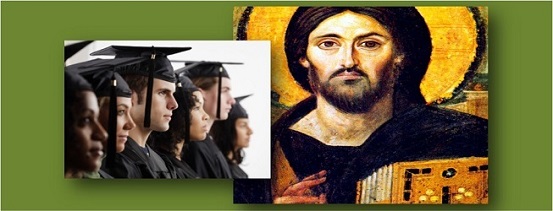
Ex Corde was promulgated in 1990, and its purpose was to lay out the general place and function of Catholic universities in the modern Church. Thousands of pages have been written about this document, and I certainly would not presume to present anything like the final word on its significance to the Church, or to the academy, but it does provide a useful starting point for dialogues on Catholic identity. By these “dialogues,” I do not mean endless bickering about Ex Corde’s vague norms and hazy mandates, but rather serious conversations that focus on the all-important spiritual ideal envisioned by John Paul II, which was the building up of Catholic scholarly communities, united in their love for the faith, their obedience to the Magisterium, their awareness of the Church’s primary mission of bringing souls to Christ, and their desire, not only to advance the causes of human dignity and social justice, but to protect the treasures of the Catholic cultural heritage as well.
This is what Ex Corde is really about even if this central message has been obscured by angry debates between liberal theologians who, for some reason, think that Ex Corde poses the greatest threat to academic freedom since the Third Reich; and conservative Catholics who, for some reason, think that implementing Ex Corde will magically reverse the tide of secular materialism that now floods the modern Catholic academy. I doubt that there has ever been a document that makes so few demands, and lays out so few rules about anything, and yet, holds such status as a “make or break” document. (more...)

No comments:
Post a Comment